Brake Service Sticker Shock: What You Actually Need vs. What Shops Want to Sell You
Few things kill a Saturday faster than dropping your car off for a routine inspection and getting a call that starts with, "So, we took a look at your brakes..." What follows is usually a list of services and a total that makes your stomach drop. But here's the thing — brake work doesn't have to be a mystery, and it definitely doesn't have to drain your bank account every time.
Let's break down what's actually in a brake job, when each component genuinely needs attention, and what you should expect to pay so you can walk into any shop with your eyes open.
The Main Players: Pads, Rotors, and Fluid
Your braking system is made up of several components, but three come up most often when a shop hands you an estimate.
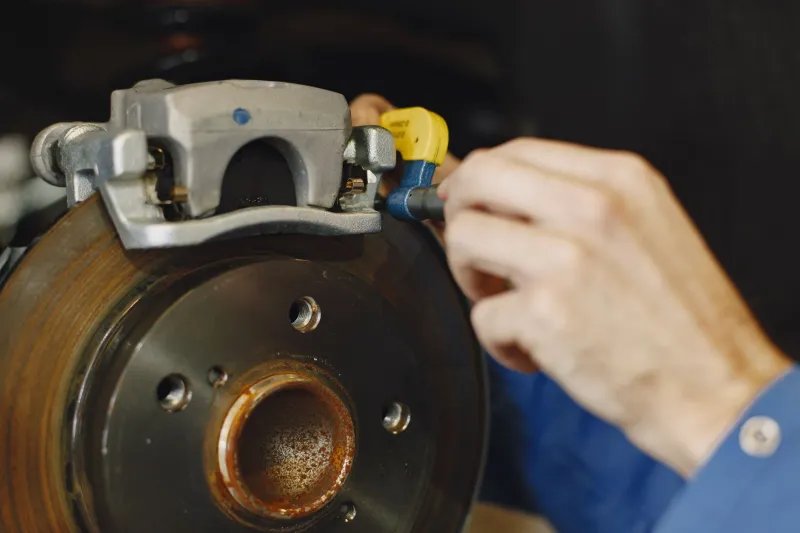
Brake pads are the friction material that clamps against your rotors to slow the vehicle. They wear down over time — that's literally their job. Most pads have a wear indicator built in, which is that high-pitched squeal you hear when they're getting thin. Pads typically need replacing every 25,000 to 65,000 miles depending on your driving habits, vehicle type, and pad material.
Rotors (also called discs) are the large metal discs your pads press against. They don't wear as fast as pads, but they do wear. You'll also feel it when they're warped — that pulsing or vibrating sensation through the brake pedal is a telltale sign. Rotors can sometimes be resurfaced (machined down to a smooth, even surface) rather than replaced outright, but many shops skip this step because replacement is faster and more profitable.
Brake fluid is the hydraulic fluid that transfers the pressure from your pedal to the calipers. Over time, brake fluid absorbs moisture from the air, which lowers its boiling point and can reduce braking performance. A brake fluid flush is genuinely useful — but it's not something most vehicles need every year.
What Does a Brake Job Actually Cost?
Here's where it gets real. Costs vary by region, vehicle make, and shop type, but here are reasonable ballpark figures for the US market:
- Brake pad replacement (one axle): $100–$200 parts and labor at an independent shop; $150–$300 at a dealership
- Rotor replacement (one axle): $150–$350 depending on vehicle; premium or performance rotors run higher
- Full brake job (pads + rotors, both axles): $400–$800 for most passenger vehicles
- Brake fluid flush: $70–$130
- Caliper replacement (if needed): $150–$400 per caliper — this is less common and should come with a clear explanation
If a shop is quoting you significantly above these ranges, it's worth asking for a breakdown or getting a second opinion. That's not being difficult — that's being a smart consumer.
The Upsell Playbook: What to Watch For
Shops aren't always acting in bad faith, but some common upsells are worth scrutinizing.
"Your rotors are too thin to resurface." This one's legitimate sometimes — rotors have a minimum thickness specification, and going below it is genuinely unsafe. But ask to see the measurement. A reputable shop will show you the spec and the actual reading. If they can't produce that, be skeptical.
"You need all four calipers replaced." Calipers do fail, but it's not a frequent occurrence on vehicles under 100,000 miles that haven't been neglected. If a shop recommends all four calipers on a relatively young vehicle, ask specifically what's wrong with each one.
"We recommend a brake flush with every pad change." Most manufacturers recommend a brake fluid flush every two to three years or every 30,000 miles — not every time you replace pads. Check your owner's manual. If you're within the service interval, you can safely decline.
"We upgraded you to premium pads at no extra charge." This sounds nice but sometimes means you're already being charged for them in the labor or overall quote. Always ask for an itemized estimate.
How to Know When Your Brakes Actually Need Service
You don't have to wait for a shop to tell you. There are signs you can spot yourself:
- Squealing or squeaking when braking — usually means pads are getting low
- Grinding noise — pads are likely metal-on-metal, which means rotors may be damaged too
- Vibration or pulsing through the pedal — warped rotors
- Soft or spongy pedal feel — could indicate air in the brake lines or fluid issues
- Vehicle pulling to one side when braking — possibly a stuck caliper or uneven pad wear
- Brake warning light on your dashboard — don't ignore this one
If you're experiencing any of these, get it checked promptly. Brakes aren't a "wait and see" system.
DIY vs. Shop: Where the Line Is
Brake pad replacement is one of the more accessible DIY jobs for a mechanically inclined person with basic tools. If you're comfortable with a floor jack, jack stands, a lug wrench, and a C-clamp, you can swap pads on most vehicles in an afternoon. Parts alone for a pad set run $30–$80 depending on quality and vehicle.
Rotor replacement is a step up but still very doable for a home mechanic. The savings can be substantial — you're essentially cutting out labor costs, which often run $100–$200 per axle.
That said, if you're not confident in your mechanical ability, brakes are not the place to experiment. This is a safety-critical system. When in doubt, take it to a shop — just go in informed.
Getting a Fair Deal
A few habits that will save you money over time:
- Get an itemized estimate in writing before authorizing any work. This protects you and gives you something to compare.
- Call two or three shops for quotes on the same job. Prices can vary dramatically even within the same city.
- Know your vehicle's service schedule. Your owner's manual is free and tells you exactly what the manufacturer recommends.
- Ask to see the worn parts. Any honest shop will show you what they removed. If they can't produce the old pads or rotors, that's a problem.
- Consider independent shops over dealerships for standard brake work. The quality is often comparable, and the markup is usually lower.
The Bottom Line
Brake service is necessary, but overpaying for it isn't. The shops that earn long-term customers are the ones that explain what's needed, show you the evidence, and charge a fair price — not the ones that pile on services to inflate the ticket. Knowing the difference between a legitimate recommendation and a soft upsell is the best tool you have.
At Hueco Automotive, we believe an informed customer is a better customer — for everyone. If you're sourcing your own parts before a shop visit or a DIY job, we've got the pads, rotors, and hardware you need to get it done right without overpaying on the parts side either.