Dead Battery, Live Markup: How to Stop Overpaying at the Dealership
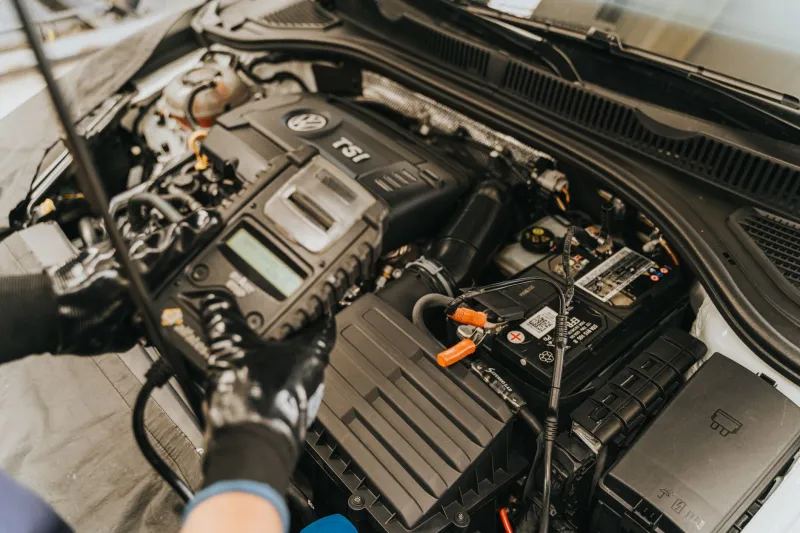
There's a particular kind of panic that sets in when your car won't start. You turn the key, hear that sad clicking sound, and suddenly your whole morning — maybe your whole week — is derailed. In that moment, most people do the logical thing: they call their dealership or limp in on a jump start and just say, "fix it."
That's an understandable reaction. It's also an expensive one.
Dealerships know you're stressed. They know you want the car fixed fast, and they know you're probably not going to shop around with a dead battery sitting in their service bay. That's why battery replacements at dealerships routinely run $250 to $400 or more — sometimes significantly more for European makes or vehicles with advanced battery management systems. Meanwhile, the same job done with a quality aftermarket battery can cost you $80 to $150, including installation at an independent shop.
That gap isn't a coincidence. It's a business model.
Why Dealerships Charge So Much
Let's be fair here — dealerships aren't straight-up ripping you off just for fun. Their pricing reflects real overhead. They carry OEM (Original Equipment Manufacturer) batteries, which are sourced from the same suppliers that built your car's electrical system. They employ certified technicians. They have service bays, loaner car programs, and corporate pricing structures that don't leave a lot of wiggle room.
But here's the thing: a big chunk of that markup is pure margin. Service departments are profit centers, and batteries are one of the easiest upsells in the business. You come in for one thing, and suddenly you're staring at a multi-line invoice with labor charges, "battery registration fees" (yes, some brands actually charge for this), and a parts price that's 40 to 60 percent above retail.
For certain luxury vehicles — your BMWs, Mercedes, Audis — battery replacement also requires a software reset so the car's computer recognizes the new unit. Dealers use that as justification for premium pricing. And honestly, on those vehicles, there's some truth to it. But for your average Toyota Camry, Honda Accord, or Ford F-150? You're largely paying for the logo on the building.
OEM vs. Aftermarket: What You're Actually Comparing
When a dealer installs an OEM battery, they're putting in a unit spec'd to the factory's exact requirements — cold cranking amps (CCA), reserve capacity, physical dimensions, all of it matched to your vehicle. That sounds great, and it is. But it's not the only way to hit those specs.
Major aftermarket battery brands like Optima, Interstate, DieHard, and ACDelco manufacture batteries that meet or exceed OEM specifications for most vehicles on the road. In some cases — particularly with AGM (Absorbent Glass Mat) batteries designed for high-demand applications — aftermarket options actually outperform the stock unit. You're not getting a lesser product. You're getting the same performance without the dealership's cost structure baked into the price.
The key is matching the right specs to your vehicle. That means checking your owner's manual or a parts lookup tool for the correct group size, CCA rating, and battery type (standard flooded, AGM, or EFB — Enhanced Flooded Battery). Get those right, and a $120 battery from a reputable retailer is going to start your car just as reliably as a $320 dealer unit.
Where to Actually Buy Your Battery
You've got solid options that don't involve a dealership service counter.
Auto parts stores like AutoZone, O'Reilly, and Advance Auto Parts carry a wide range of batteries at transparent prices, and many of them will install it for free in the parking lot. That's hard to beat. Their staff can also pull your vehicle's specs on the spot so you're not guessing.
Wholesale clubs — Costco in particular — are known for competitive battery pricing, especially on Interstate-branded units. If you're a member, it's worth a look.
Online retailers like Amazon carry batteries from major brands, though you'll want to factor in shipping time if you're in a pinch. Better for planned replacements than emergency situations.
Independent mechanics and shops often source quality batteries at wholesale pricing and pass some of those savings along. You get professional installation without the dealership markup.
When the Dealer Actually Makes Sense
Okay, so dealerships aren't always the wrong call. Here's when paying the premium might actually be worth it:
-
Luxury or European vehicles with battery management systems: If your car requires a specific registration or coding process after battery replacement, having a dealer or a shop with the right diagnostic equipment handle it prevents potential electrical gremlins down the road.
-
Vehicles still under warranty: If your battery fails under a new car warranty, the dealer replaces it at no cost. Don't pay for something you're entitled to.
-
Hybrid and EV auxiliary batteries: These aren't your standard 12-volt units. The specs and replacement procedures are more complex, and getting it wrong can cause real problems.
-
Convenience at any cost: Sometimes you're 200 miles from home, the car won't start, and the dealer is right there. Pay the premium, get back on the road, and file it under "lessons learned."
Signs Your Battery Is About to Give Up
The best way to avoid the panic-buy scenario is catching the warning signs early. Batteries don't usually die without giving you some notice.
Watch for slow engine cranking when you start the car — that sluggish, labored turnover is a classic sign. Dashboard warning lights, particularly the battery icon, are obvious flags. Dim headlights at idle, electrical accessories acting erratic, or a battery that's more than three to five years old are all reasons to get a load test done before you're stranded.
Most auto parts stores will test your battery for free. Five minutes and zero dollars could save you a $300 dealership visit.
The Bottom Line
A car battery is a consumable part. It's going to need replacing every few years regardless of what you drive. That's just the reality of owning a vehicle. What isn't inevitable is overpaying for it.
Do a little homework before your battery gets critical — check the age, get it tested, and know your vehicle's specs. When the time comes, you'll have options, and none of them require handing a dealership twice the money for the same result.
At Hueco Automotive, we're big believers in making informed decisions rather than panicked ones. Your car doesn't care where the battery came from. It just wants the right one installed correctly. Give it that, and keep the rest of your money where it belongs — in your pocket.