That Little Orange Light Isn't Always a Crisis — But Sometimes It Really Is
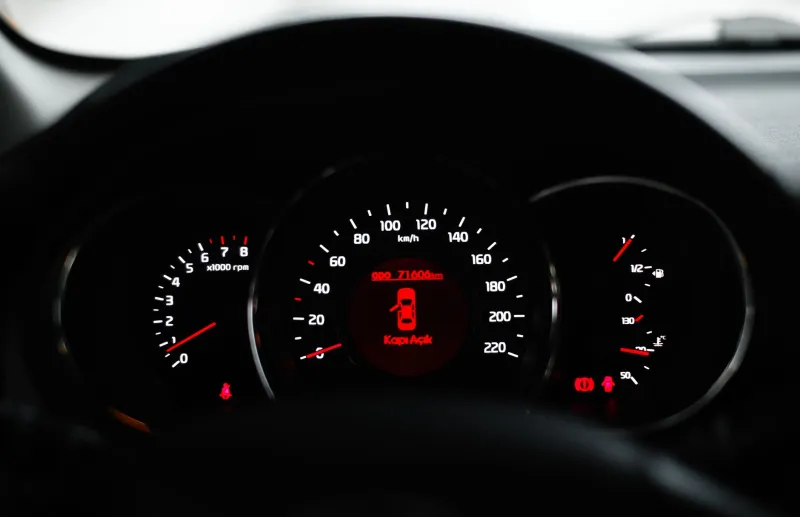
You're cruising down the highway, coffee in hand, radio doing its thing — and then that little amber glow shows up on your dashboard. The check engine light. It doesn't blink, it doesn't scream, it just... sits there. Taunting you.
Here's the thing: that light is one of the most misunderstood signals in your entire vehicle. Some people pull over immediately like the car is about to combust. Others slap a piece of tape over it and keep driving for six months. Neither approach is great. What you actually need is some context — and a $25 tool that more drivers should have in their glove box.
What the Check Engine Light Is Actually Telling You
That light is connected to your car's onboard diagnostic system, commonly called OBD2. Since 1996, every vehicle sold in the US has been required to have one. When something falls outside of normal operating parameters — whether it's a sensor reading, an emissions issue, or something mechanical — the system logs a diagnostic trouble code (DTC) and flips that light on.
The problem is the light itself gives you zero detail. It's basically your car saying, "Hey, something's up," without telling you whether that something is a loose gas cap or a failing catalytic converter. That gap between the signal and the actual problem is exactly where a lot of shops make their money off uninformed customers.
Not All Codes Are Created Equal
This is the part most people don't realize: there are hundreds of possible trouble codes, and they vary wildly in terms of urgency. Some are genuinely minor. Others need attention pretty quickly. And a handful mean you should pull over and call a tow truck.
Low-urgency codes — things like a loose or faulty gas cap (P0440, P0442), a minor evaporative emission leak, or an oxygen sensor that's slightly out of range — can often wait a few days until you can get a proper diagnosis. Your car will drive fine. You won't cause additional damage by driving to work and back.
Medium-urgency codes — a misfiring cylinder (P0300 series), a failing mass airflow sensor, or an issue with your EGR valve — should be addressed within a week or so. Left unchecked, these can snowball into bigger repairs, but they're not drop-everything emergencies.
High-urgency codes — anything related to overheating, oil pressure, or catalytic converter damage — are different. If your check engine light comes on alongside a temperature gauge creeping into the red, oil pressure warning, or a burning smell, that's not a "schedule it for next Tuesday" situation. That's a pull over now situation.
The Tool Every Driver Should Own
Here's the move that changes everything: buy an OBD2 scanner. You can grab a basic Bluetooth model for under $30 that pairs with a free app on your phone, or a standalone handheld unit for a little more. Plug it into the OBD2 port under your dashboard (usually near the steering column), and within seconds you'll have the actual trouble code sitting right in front of you.
From there, a quick search of that code will tell you what system it relates to, how common it is, and roughly what it costs to fix. You walk into any shop — or a conversation with us here at Hueco Automotive — already knowing what you're dealing with. That's a completely different dynamic than showing up and saying "the light came on" and hoping for the best.
Some auto parts chains like AutoZone or O'Reilly will also read your codes for free if you'd rather not buy a scanner. It's worth knowing that option exists.
The Steady Light vs. The Flashing Light
There's one visual cue worth memorizing right now: a steady check engine light is very different from a flashing one.
A steady light means a fault has been detected, but the situation is generally stable enough to drive cautiously and get it checked out soon. A flashing or blinking check engine light is a different story entirely — that typically indicates an active misfire severe enough to damage your catalytic converter in real time. If you see it blinking, reduce your speed, avoid hard acceleration, and get to a shop as soon as possible. Don't just "keep an eye on it."
How Shops Use That Light Against You
Let's be straight about something. Some service advisors — not all, but some — see a check engine light as an opportunity. You come in nervous, you don't know what the code means, and suddenly you're looking at a $1,200 estimate for repairs you may or may not need.
Knowing your code in advance is your best defense. It doesn't mean you'll diagnose the car yourself, but it does mean you can ask smarter questions. "My scanner pulled a P0420, which looks like a catalytic converter efficiency code — can you confirm that before recommending a replacement?" That one sentence tells a service advisor you're not walking in blind.
It also helps to understand that a single code doesn't always mean a single repair. A P0420 code, for example, can be triggered by a failing catalytic converter, but it can also come from a bad oxygen sensor, an exhaust leak, or even an engine running rich. A good technician will dig into the root cause. A less-than-great one will just quote you the most expensive possibility.
When to Trust Your Gut (And Your Gauges)
Codes aside, your other dashboard gauges are still your best friends. If the check engine light is on but your temperature is normal, your oil pressure is good, and the car feels and sounds the same as always — you've probably got time to address it properly. If anything else looks or feels off, treat it seriously.
And honestly? If you're ever unsure, it's okay to call and describe what you're seeing before driving somewhere. A quick phone conversation can help you figure out whether to drive in, have it towed, or just schedule an appointment for later in the week.
Bottom Line
The check engine light isn't a death sentence for your car, and it isn't something to ignore either. It's a starting point. Get the code, understand what system it's pointing to, pay attention to how your car is actually behaving, and then make a calm, informed decision about next steps.
A $25 scanner and five minutes of research can save you from a $200 diagnostic fee and a repair estimate built on your anxiety. That's a trade worth making.